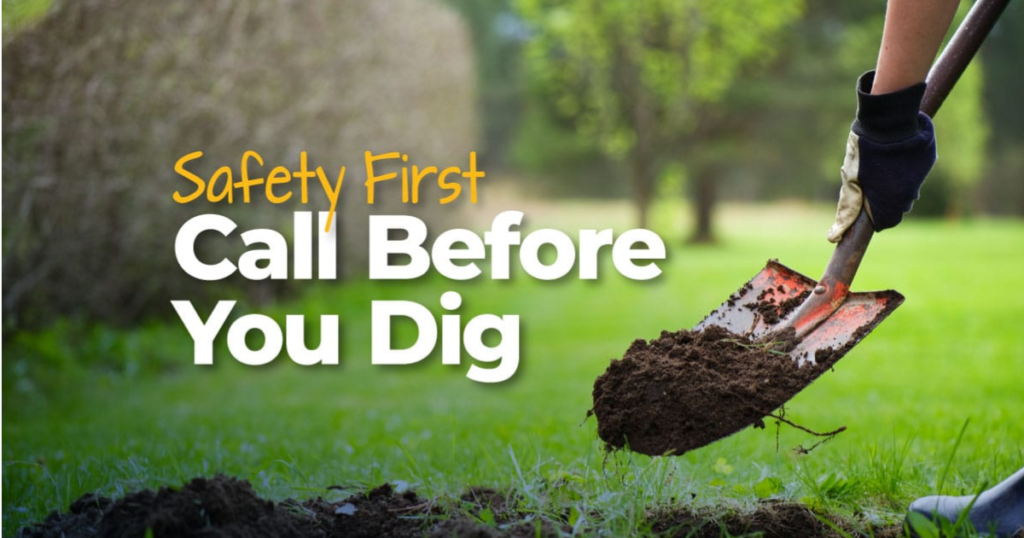
You have a fence post to set, a mailbox to anchor, or a small garden bed to dig. It feels like a ten-minute job. The last thing on your mind is calling a phone number before you grab a shovel. But a question pops up, and you search: do I need to call 811 for small digging projects? The answer might surprise you, and it is one every homeowner and contractor in the country needs to understand.
The short answer is yes, every single time. No matter how shallow, how quick, or how routine a digging task seems, the rules are the same. And the reason behind that rule is not bureaucratic red tape. It is your safety, your wallet, and the safety of everyone on your street. Let us walk through exactly why this matters and what happens when you skip the call.
What Is 811 and Why Does It Exist?
811 is the national call-before-you-dig phone number used across the United States. When you call 811, your request is routed to a one-call center in your state, which then notifies all member utility companies operating in your area. Those companies send out locators to physically mark the ground above their buried lines using color-coded paint or flags. The service is completely free.
The system exists because utility lines, including gas, electric, water, sewer, cable, and fiber, are buried at varying depths and often much shallower than people expect. Cable lines have been found just a few inches below the surface. A standard shovel going into even a flower bed can sever a line. The consequences range from a neighborhood outage to a life-threatening gas leak.
Is There a Depth Exception for Small Projects?
Many people assume that if they are only digging a few inches, the call is unnecessary. According to 811beforeyoudig.com, this is one of the most common and dangerous myths. There is no depth exemption in any U.S. state. Regardless of how far down you are going, you are legally required to notify 811 before putting any tool in the ground.
The reason is simple. Utility line depths vary based on the type of line, the age of the installation, regional regulations, and soil shifts over time. A line that was originally buried two feet deep may have shifted closer to the surface due to erosion or root growth. You cannot know what is down there by guessing, and guessing wrong has severe consequences.
What Counts as a Small Digging Project That Still Requires the Call?
According to 811beforeyoudig.com, projects that absolutely require calling 811 for small digging projects include: planting trees, shrubs, or flowers; installing a mailbox, fence, or deck; setting up a sprinkler system; anchoring a sign or swing set; and basic landscaping or grading work. If a shovel, post-hole digger, auger, or any digging tool is involved, the call is required.
What Happens If You Skip the Call?
Skipping 811 before digging exposes you to serious financial and legal risk. If you damage a utility line without having called, you can be held personally liable for repair costs, which can reach tens of thousands of dollars. Many states also impose civil penalties for failing to notify 811 before excavation. Beyond fines, you risk injuring yourself or others if a gas line ruptures or an electric line is severed.
Insurance coverage may also be denied if damage was caused by digging without a proper locate ticket. The risk is simply not worth it, especially when the call is free, and the process takes only a few minutes.
How Long Does the Process Take?
Calling 811 or submitting a request online is quick. The average locate request takes just a few minutes to submit. After that, utility companies typically have two to three business days to send locators to mark the lines at your site. You need to plan your project with this window in mind.
Once the lines are marked, you receive confirmation, and you can dig safely while being careful to work by hand around any markings. The markings remain valid for a limited period, usually 15 to 28 days depending on your state, after which a new ticket is needed if you have not finished the project.
Always Call Before You Dig
So, do I need to call 811 for small digging projects? Absolutely yes. Every time, without exception, for every project regardless of size. It protects you legally, keeps your family and neighbors safe, and costs you nothing but a few minutes. Build the habit now, and you will never have to deal with the consequences of skipping it. If you have questions about utility location services or the 811 process, Montana One Call is a knowledgeable local resource. You can reach the team at 1-800-798-9365.