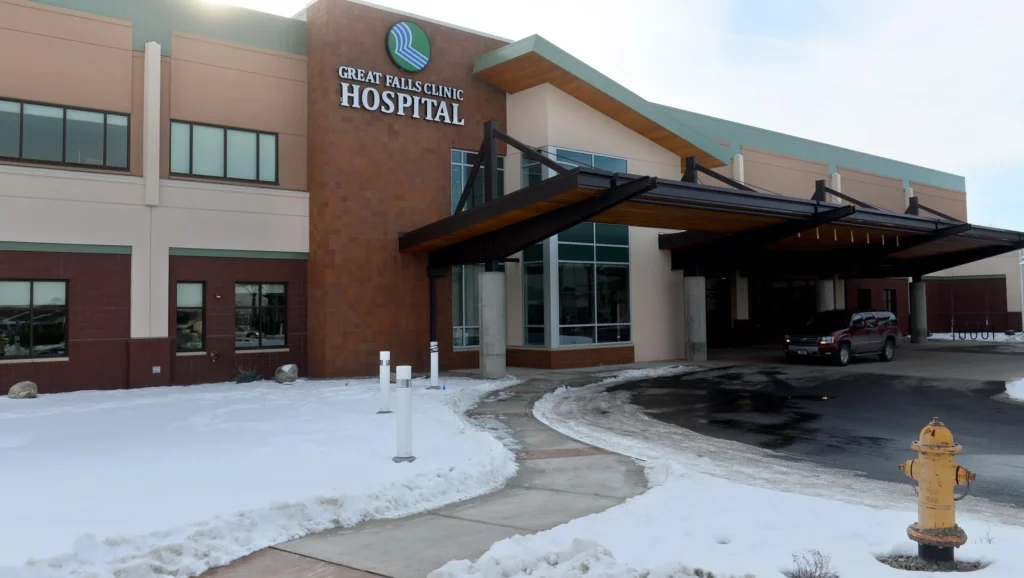
You’ve likely seen how busy healthcare environments get, even after hours. From emergency calls to follow-up scheduling, hospitals in Great Falls don’t stop working just because it’s the weekend or late at night. That’s a big part of why hospitals in Great Falls use answering services. It allows them to stay connected to patients without exhausting their on-site staff or running up overhead.
You might expect a hospital to have the resources to handle every call directly, but the reality is more complicated. Staffing around the clock is costly and difficult to manage, especially for non-urgent communication. An answering service fills that gap with trained professionals who answer calls, filter messages, and route urgent matters to the right person.
But the question is, does this setup actually support patient care? Today, we’ll walk through how these services improve communication, ease pressure on internal teams, and give hospitals in Great Falls a reliable way to handle every call, day or night.
1. Hospitals Run 24/7, But Staff Shouldn’t Have To
You might be thinking it’s easier to just keep a receptionist on-site all night. But for most hospitals, that adds unnecessary cost and pressure. Doctors and nurses already manage a heavy workload. Expecting them to also cover phones or hire more admin staff for that purpose just doesn’t make sense.
This is one reason why hospitals in Great Falls use answering services. They provide dependable coverage without adding more people to payroll. These services work off clear instructions, route calls based on urgency, and always answer with a calm, professional voice. That kind of consistency helps reduce stress while keeping communication open for patients and providers alike.
2. Speed Matters in Emergencies
You’d want any hospital call to be taken seriously. The problem is, emergencies can’t wait for voicemail. When a patient is in distress or a provider is needed urgently, calls have to be answered fast and handled correctly. Answering services follow custom scripts to separate urgent from routine issues, making sure the right person is contacted in real time.
This saves time, avoids confusion, and supports better outcomes. Hospitals that use these services don’t just protect patient care, they make sure no call slips through the cracks.
3. Privacy Isn’t Optional
A concern would naturally come up about how patient data is handled. Hospitals are bound by HIPAA, and any communication involving names, treatments, or schedules must be secure. Answering services that work with hospitals use encrypted messaging tools and staff trained to follow strict protocols.
That kind of attention to detail is why these services are trusted to work in clinical settings. Whether it’s a prescription refill or a mental health crisis, every message is managed with professionalism and care.
4. One System for Every Department
You’d expect a hospital to have multiple teams handling different types of calls, nurses, specialists, clinics, and labs. Managing all those communication needs in-house becomes a challenge. Answering services help organize and streamline that complexity by routing calls based on time, department, or call type.
On-call staff receive messages quickly. Non-urgent matters are saved and delivered when appropriate. This helps hospitals keep workflows smooth while giving patients a consistent experience, no matter who they’re trying to reach.
5. It Works for Great Falls and Beyond
A question might come up about why this solution is such a fit for Great Falls in particular. Hospitals here serve both city residents and rural communities. They need systems that are scalable, responsive, and cost-effective. That’s exactly what an answering service offers.
By removing the burden of managing phones internally, hospitals free up resources and gain a support system that adapts to seasonal demands, weather disruptions, or staffing shortages.
Your Patients Deserve a Live Voice, Every Time
At Montana One Call, we understand why hospitals in Great Falls use answering services because reliable communication saves time, supports care, and builds trust. Our HIPAA-compliant team is trained to handle medical calls with care, urgency, and accuracy. Whether your facility needs full-time support or just after-hours help, we tailor our service to fit your schedule and call flow. With us, every patient call is answered by a real person who understands what matters. Get in touch to learn more.